
拜托小姐
专访台湾编剧何昕明:创作很孤独,所以要打团体战_我的网站

A |
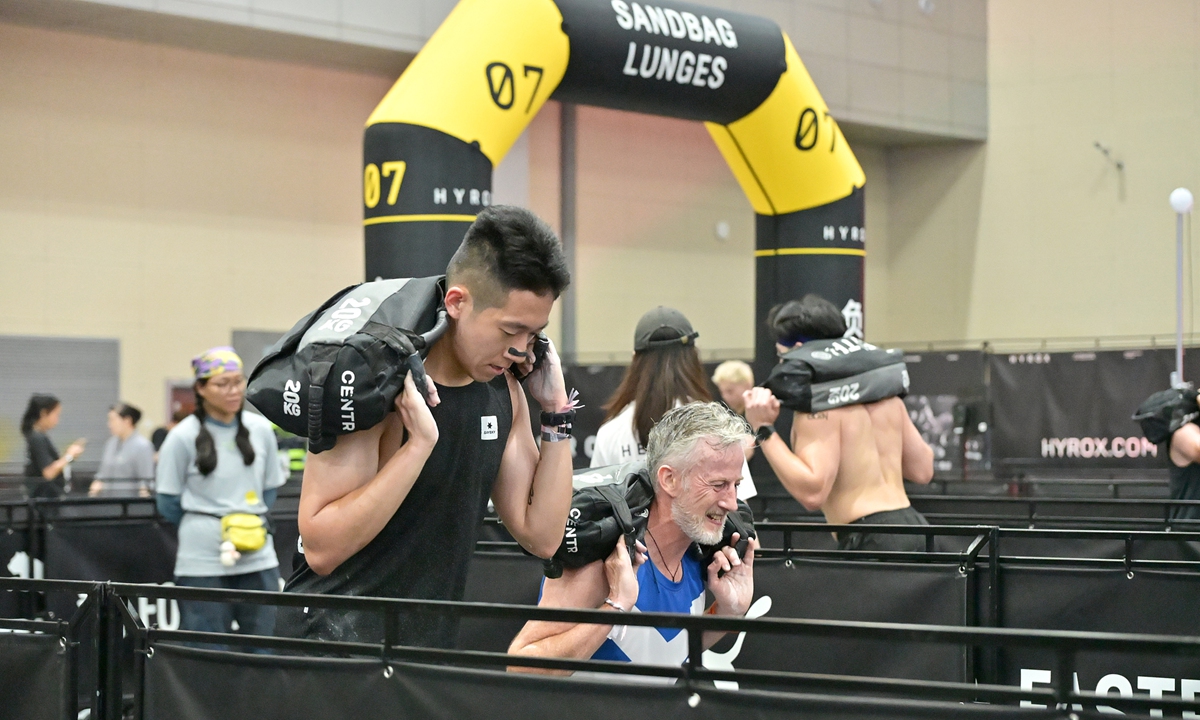
Dubbed the "marathon of the fitness world," Hyrox is an indoor fitness race combining 8 kilometers of running with 8 functional workout stations - SkiErg, sled push, sled pull, burpee broad jumps, row, farmer's carry, sandbag lunges and wall balls. Unlike some professional competitions, it has relatively low entry barriers.
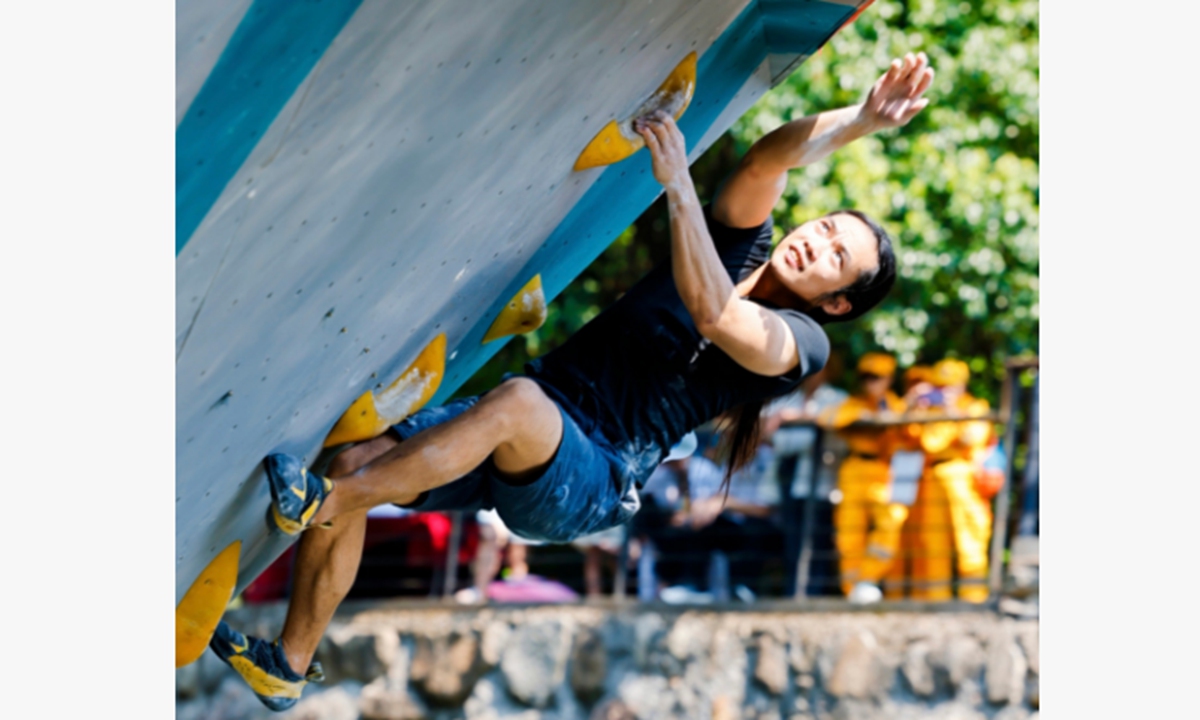
In recent years, young people's approaches to exercise have become increasingly diverse. From outdoor climbing and marathons to emerging hybrid fitness competitions such as Hyrox, sports have evolved from simple physical activities into lifestyle choices and social identities for many.
Yet behind the wave of social media check-ins, race photos and inspirational videos lies another reality: the growing risk of sports-related injuries.
The abundance of online content showcasing successful finishes can sometimes obscure the physical demands of these events, creating the impression among some fitness enthusiasts that regular gym workouts and casual running are enough preparation.
'Extreme' sports for ordinary people
Although activities such as Hyrox appear accessible to the public, the physical pressure they place on participants can be far greater than expected.
"Videos circulating online looked really cool. Several of my fitness buddies had signed up, and we decided to join mainly to experience the atmosphere. We thought we would register first and figure out the rest later," Oliver, who recently participated in a Hyrox competition, told the Global Times.
Oliver, who has maintained strength training and running routines for two years, said he was initially attracted by the energetic images and intense competition scenes shared on short-video platforms.
"The experience was exciting, but during some intervals between stations, my average heart rate often climbed to around 160 bpm, which really made me worry about the risks," he said.
"I usually train at the gym. When I run, I focus on running; when I lift weights, I take enough rest between sets. I rarely practice switching directly from running into heavy lifting under fatigue," he added.
Oliver's experience reflects that of many other participants.
Beyond Hyrox, climbing, marathons and other emerging sports have also gained huge popularity, with many people who previously only participated in casual workouts or recreational running now becoming part of these new sports communities — often inspired by what they see on social media.
On lifestyle platform Xiaohongshu, or RedNote, the Hyrox hashtag has attracted more than 1.5 million posts and 290 million views, while content under the rock climbing hashtag has generated an even higher 2.05 billion views.
However, the rapid rise of these activities has also brought safety concerns, including cases of participants being diagnosed with rhabdomyolysis after Hyrox events, climbing accidents resulting in fractures, and marathon events being suspended due to safety issues.
Xu said she was happy to see growing interest in emerging sports, but she also worried after witnessing participants collapse or compete despite obvious signs that they could no longer continue safely.
Having trained professionally in these events for years, Xu follows a detailed long-term plan and adjusts her competition schedule or withdraws when her physical condition is not suitable.
"Whether it is a marathon, climbing or Hyrox, these activities may look like sports that ordinary people can easily participate in, but they still place extreme demands on the body. People need professional assessment and training, and should always exercise within their limits," Xu said.
The trap of fitness culture
For Oliver and many other participants, social connection is another important factor driving them into these sports.
"Especially for people working away from their hometowns, many have made friends simply because they joined a sports group and signed up for competitions together," Oliver said.
Experts believe that the social appeal and identity attached to these sports have, to some extent, transformed exercise from a personal activity into a form of social event, creating some peer pressure.
"You can see that many participants in these sports come from urban middle-class and higher-income groups. Their identities are shaped by these sports, while these sports themselves are increasingly defined by training cultures and commercial competition brands," a sports psychology expert surnamed Lü told the Global Times.
"Once a complete training culture is branded, exercise is no longer just public knowledge, but becomes a form of consumption and identity-building," Lü said.
"Such a culture may encourage people to ignore their actual physical conditions and push themselves into excessive training, increasing the risk of injury."
Doctors have also warned that beginners who rapidly increase exercise intensity are particularly vulnerable to overuse injuries.
Li Xiaoyan, deputy dean of the School of Sports Medicine and Rehabilitation at North Sichuan Medical College, said Hyrox is fundamentally different from marathons and ordinary gym workouts, according to a report by Sichuan local media.
Li explained that marathons mainly focus on continuous aerobic endurance, challenging cardiovascular capacity and joints such as the knees.
Hyrox, by contrast, combines aerobic exercise, anaerobic training and weighted strength exercises. During much of the competition, participants' heart rates remain close to their limits, placing continuous stress on the cardiovascular system, lower back, knees and shoulder muscles.
Many participants also struggle to distinguish between normal post-exercise soreness and injury-related pain.
"Feeling sore throughout the body after exercise, with symptoms improving after one or two days of rest, is usually a normal response caused by muscle fatigue. But sharp joint pain or sudden lower-back pain are warning signs of injury. In such cases, people should stop immediately rather than force themselves to continue," Li said.
"The key is to progress step by step and, whenever possible, train under professional guidance. If your body feels uncomfortable, reduce the intensity and rest. If you are in good condition, increase the workload gradually," Lü said.
"For ordinary people, exercise requires patience. There is no need to approach it with the mindset of preparing for the Olympics. The purpose of exercise is simply to make life more enjoyable and to challenge the body in a healthy way."
。

B | 中新社北京8月21日电 题:专访台湾编剧何昕明:创作很孤独,所以要打团体战 作者 李百加 金志成 “我做两岸合拍已经16年了。”正在北京参与两岸电影交流会的台湾知名编剧何昕明接受中新社专访时表示,创作很孤独,所以要打团体战。 8月20日至21日举行的这场交流会上,何昕明登台推介已打磨多年的合拍剧本。自美国波士顿大学电影制作方向硕士毕业、1996年入行后,他活跃于华语影视产业。 8月20日至21日,“光影同舟”两岸电影交流会在北京举行。图为台湾知名编剧何昕明(中)在现场分享创作经验。金志成 摄 2010年创办好故事工作坊,何昕明不久后就以一部两岸合拍现代都市情感剧《胜女的代价》走红。“当时花费了不少心思,去寻找两岸创作的契合点。既保留台式偶像剧的美学特质,也适配大陆市场的价值取向与制作体系。

C | ”他介绍,工作坊创立之初,便招募大陆编剧,就两岸语感、节奏和观众预期的不同进行调整。 《胜女的代价》成为当年爆款后,何昕明团队陆续参与《杉杉来了》《微微一笑很倾城》等高人气剧集开发。 “合作与沟通,对文化创意行业而言是手段,也是目的。

D | ”他认为,两岸影人对彼此的创作方式、理念和背景抱有好奇,可转化为创作资源,回应两岸对美和情感的共通需求。 这一点,在他参与编剧的电影《后来的我们》中得到印证。 “最初打算做的,是一个从台北到高雄的返乡故事。”何昕明说,团队发现,在大陆“过年回家”对许多人而言也是一种共同的情怀:春运、抢票、一年一次的团圆……因此,他们将电影背景改换至大陆,“同一个情感内核,我们找到了一个拥有更大地理空间与集体经验的‘容器’”。 《后来的我们》虽未在台湾商业院线上映,但岛内观众通过串流平台观看、讨论,热度不减。电影还获得金马奖最佳改编剧本提名。“发行的墙,其实早就比我们想象的矮了”。 担任台湾政治大学广播电视学系兼任助理教授以来,何昕明注意到,上课举例时,学生的参照(作品)开始从欧美、日韩转向大陆剧集,讨论人设、讨论节奏。此番参加交流会,他也观察到,业内人士交流热络。 何昕明认为,这些讯息折射出业界对扩大交流的诉求,也印证两岸影视合作有深厚受众基础与广阔市场前景。 人工智能等新技术快速迭代,影视行业市场环境也在发生变化,何昕明认为,当下,更不是一个适合“单打独斗”的时候。“在最难预测未来、但也有最大可能性的时代,保持好奇、开放、对话。

E | ”他说,总能找到一起往前走的办法。(完) 【编辑:万纪玮】。
Current article:http://www.diaoengngtengdiachanpiezao.sbs/news/20260826_7121638.pptx
Published on:10:31:10